Park Glen sits in the 37122 zip with homes mostly built from the late 1990s through early 2000s on lots that slope toward drainage ditches along Park Glen Drive. Hot humid summers push indoor moisture through HVAC systems and into crawlspaces, while mild winters keep soil damp year-round. Mount Juliet Mold Remediation responds from 113 Bear Xing with 24/7 emergency service to contain growth before it spreads into finished spaces common in these single-story and split-level houses.
Residents near West Wilson Middle School and along Golden Oaks Drive see water intrusion after heavy rains because many lots back up to shallow swales that overflow when Wilson County storms hit. We map moisture with infrared scans, remove affected drywall or insulation, and dry the structure using equipment sized for the tight access typical of Park Glen garages and side yards. This targeted approach keeps jobs contained to the affected rooms rather than opening the entire home.
Proximity to Charlie Daniels Park and Providence Marketplace means quick daytime access via Lebanon Road, but evening calls often route through the Beckwith corridor when traffic backs up. Our crews know which Park Glen streets have overhead power lines that limit equipment placement, so we stage dehumidifiers and air movers in driveways without blocking neighbors.
Around Park Glen
We regularly work near:
- 📍Park Glen Drive
- 📍Golden Oaks Drive
- 📍West Wilson Middle School
- 📍Charlie Daniels Park
- 📍Providence Marketplace
Mold Remediation in Park Glen — Local Notes
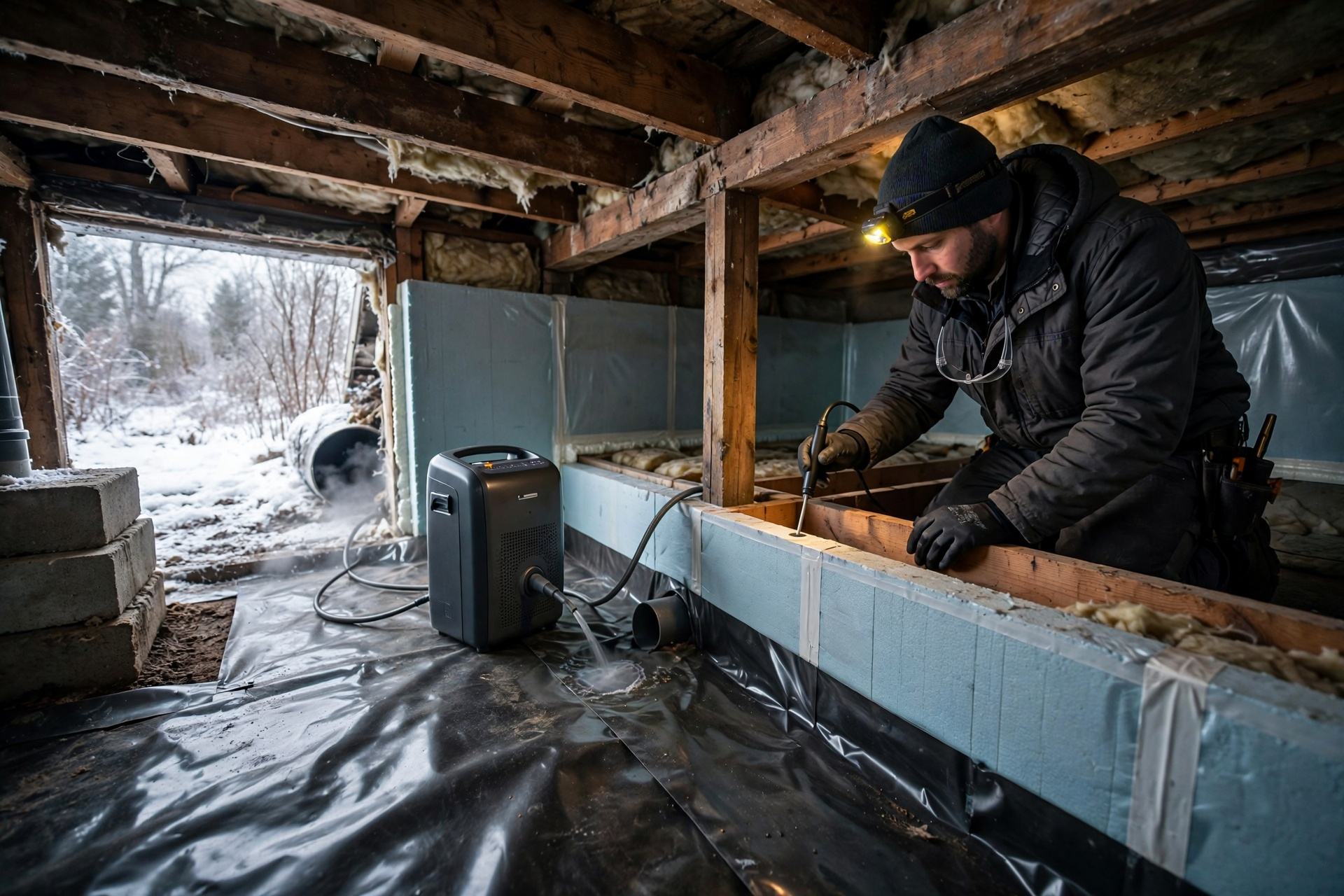
- •Many Park Glen crawlspaces lack vapor barriers and sit on clay soils that hold moisture after summer rains, requiring extra drying time before encapsulation.
- •Split-level homes along Park Glen Drive often have HVAC returns in lower levels where condensation forms during peak humidity, creating hidden growth behind finished walls.
- •Tight side-yard setbacks on Golden Oaks Drive limit equipment access, so crews use smaller portable units and extend hoses from the street rather than parking trucks on lawns.
- •Mild winters keep soil temperatures above freezing, allowing mold colonies established in fall to remain active instead of going dormant until spring.