2026-10-19 ·
How To Check For Mold In Mount Juliet Basements
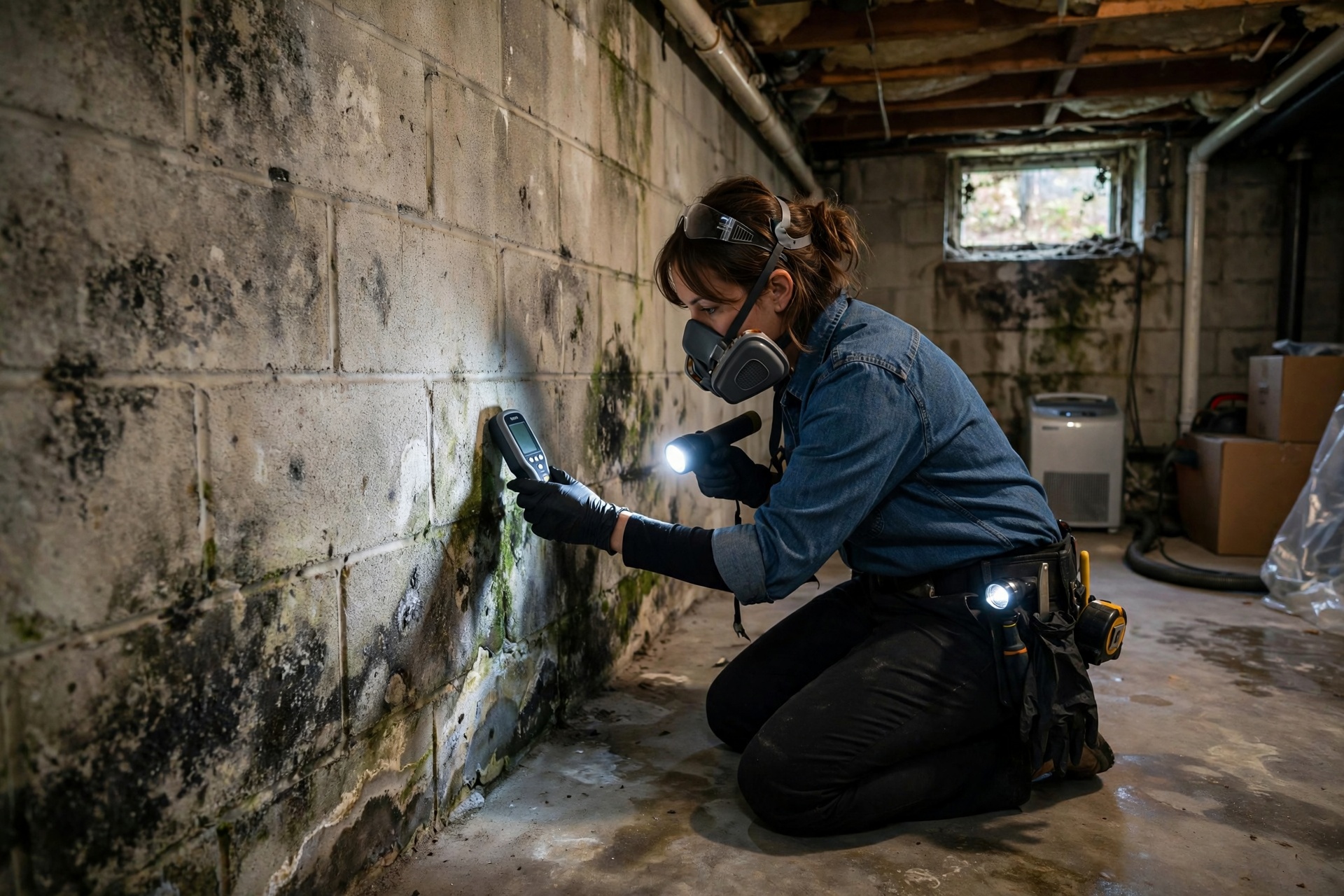
Mount Juliet basements show visible mold growth most often along lower foundation walls and around sump pits when homeowners check during the mild winter months. Start by examining concrete surfaces for dark staining or white powdery residue after periods of heavy rain, then move to any stored items that touch the floor. These early checks catch issues before spores spread through HVAC systems common in Wilson County homes.
Spotting Visible Signs in Local Basements
Mount Juliet homes built before the 2000s frequently feature concrete block foundations that retain moisture longer than newer poured walls, especially in Providence where many properties sit near the Cumberland River floodplain. Look for black or green patches on drywall at least 12 inches above the slab, peeling paint on wood framing, and warped baseboards near exterior doors. In Beckwith, older ranch-style houses often have finished basements with carpet that traps condensation from the humid subtropical summers. Check behind water heaters and washing machines for discoloration on the back wall. Homeowners should also inspect any exposed insulation for gray or brown spots that indicate active growth rather than simple dust accumulation.
Measuring Moisture Levels Accurately
A pin-type moisture meter gives reliable readings on both wood and drywall in Mount Juliet basements where relative humidity stays above 60 percent for weeks during summer. Test multiple spots along the north-facing wall, which receives less direct sun and stays cooler year-round. Readings above 15 percent on wood framing signal elevated risk, particularly after heavy spring rains that affect Wilson County terrain. Compare these numbers to the same locations during drier fall months to identify seasonal patterns. Keep records of the readings with dates and exact locations so any later mold inspection professional can reference the data directly.
Checking Airflow and Hidden Areas
Run a handheld fan across suspected spots for several minutes, then smell for musty odors that become stronger when air moves. In Providence homes with walk-out basements, examine the joint where the slab meets the exterior grade for gaps that allow groundwater seepage. Use a bright flashlight to inspect behind HVAC returns and under stairwells, two locations where Mount Juliet residents commonly store seasonal items that block ventilation. If odors persist even after opening windows, note the time of day because mild winter temperatures can mask problems until the next humid period arrives.
Knowing When Professional Testing Makes Sense
Homeowners who find repeated moisture readings above 18 percent or visible staining larger than a quarter should schedule mold testing before attempting any cleaning. This step matters most in Beckwith properties where finished basements connect directly to living areas above. Review the findings against the detailed cost factors for mold remediation in Mount Juliet homes to understand next steps. If testing confirms growth, basement mold removal crews address both the visible material and the underlying moisture source that the local climate keeps reintroducing.